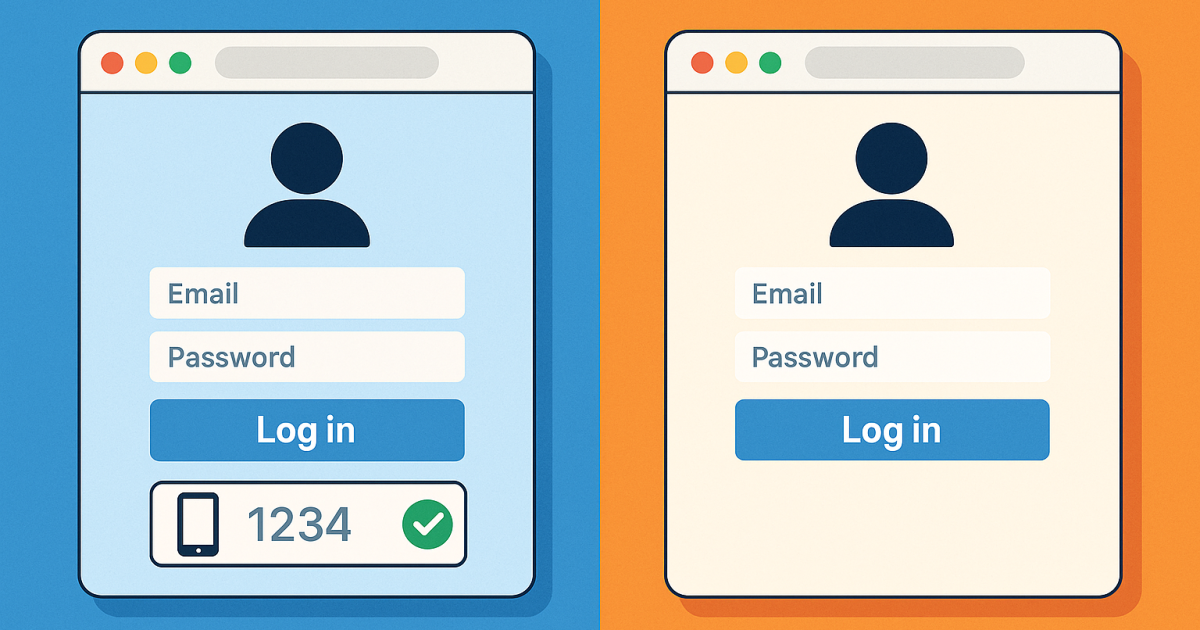
Why Do Some Websites Ask for Phone Verification While Others Don't?
Introduction
In the digital landscape of today, online security has become a critical aspect of user experience. One common measure that many websites employ to enhance security is phone verification. However, not all platforms ask for this extra layer of verification. This leads to a fundamental question: Why do some websites ask for phone verification while others don't? Understanding the nuances of online identity, fraud prevention, and user experience can help clarify this important topic.
What Is Phone Verification?
Phone verification is a process where a website or application validates a user's identity through their mobile phone number. This can involve sending a text message or an SMS containing a One-Time Password (OTP) that the user must enter to complete a specific action, like signing up or logging in. This method plays a vital role in user authentication and in strengthening account security by adding an additional layer of verification.
Why Websites Use Phone Verification
Many websites ask for phone verification due to various reasons, which are often located at the intersection of security and convenience:
- Enhanced Security: Phone verification significantly confines unauthorized access. By linking the account to a particular mobile number, it acts as a gatekeeper, only allowing verified users to proceed.
- Preventing Fraud: Verification through a phone number reduces the likelihood of fake accounts and decreases fraudulent actions. Websites can associate activities with a verifiable contact, allowing for better accountability.
- Account Recovery: In case of forgotten passwords or lost access, having a registered phone number makes account recovery smoother for users, easing stress and frustration.
- Billing and Notifications: Increased association with mobile numbers can lead to better user targeting in subsequent communications, thereby improving website engagement and ROI for e-commerce platforms.
Why Some Platforms Avoid Phone Verification
Despite the advantages of phone verification, some websites deliberately choose to avoid this method:
- Enhancing User Experience: Some platforms prioritize a frictionless user experience. They endure fewer registration barriers, allowing users to sign-up quickly without demanding phone numbers.
- User Preferences: Certain audiences might distrust sharing their phone numbers with companies. By skipping the verification process, platforms may cater to preferences of privacy-conscious users.
- Market Position: Websites marketing themselves as privacy-focused or striving for anonymity, such as forums and certain file-sharing services, typically do not require verification to align with their brand image.
- Email Sufficiency: Some companies reason that their email verification systems are strong enough in tandem with secure passwords, especially if they incorporate security questions or two-factor authentication.
The Relationship Between Security and User Experience
Finding a balance between security and user experience is an ongoing challenge for many organizations. While phone verification offers higher security, it can make the registration process cumbersome and tedious. The best way forward often involves:
- Evaluating the specific threats faced by a website.
- Rethinking user engagement tactics to integrate both security and user satisfaction.
- Implementing various layers of security appropriate to the risk, leaving phone verification optional instead of mandatory.
Fraud Prevention and Abuse Detection
Fraud prevention is at the heart of why many websites implement phone verification. With the rise of identity theft and online scams, companies strive defensively to protect user data:
- Identifying Fake Users: Verification filters out bots and potential abusers immediately during the registration process.
- Tracking User Behavior: Providing linkage between users and their actual phone numbers allows platforms to monitor and evaluate behaviors and quickly react to suspicious activities.
SMS Verification vs Email Verification
Both SMS and email verifications serve the general purpose of confirming a user's identity, but they each have unique advantages and limitations:
- Security: SMS verification entails receiving a code directly to a physical device, often considered more immediate and reliable than email.
- Access and Spam: Email is more accessible and widely used; however, it involves risks of spam and phishing attacks that can target users and jeopardize their privacy.
- Dependability: Users might change email addresses occasionally, while mobile numbers remain more constant, contributing to long-term user verification.
Industries Most Likely to Require Phone Verification
Specific industries are more likely to enforce stricter verification processes, particularly those involving sensitive information and financial transactions:
- Finance: Banks and financial institutions must secure a user's identity to authorize transactions, making phone verification a priority.
- E-commerce: Online marketplaces often require verification given the financial nature of each transaction.
- Healthcare: Hospitals and health-related websites incorporate verification systems to enhance patient security and confidentiality.
- Gaming: Online gaming sites may ask for verification to prevent underage access and keep in check multiple game accounts.
Privacy Concerns and User Expectations
As reliance on digital interactions escalates, so rise concerns over user privacy, including:
- Data Collection: Users often question what will happen to their data once shared – concerns of selling information to third parties make many wary of sharing personal numbers.
- Secure Channels: Shady platforms need to be thoroughly audited. Customers must be informed about data practices and swear to constant vigilant measures protecting that data.
The Future of Online Identity Verification
The landscape of online identity verification is evolving rapidly as advancement in technology leads to the creation of more secure systems. Cost-effective alternatives like PVACodes provide SMS solutions to receive OTPs while maintaining user privacy. Phone verification remains a significant barrier to account fraud, but future processes may also include biometric verifications and decentralized ID solutions.
Frequently Asked Questions
- Why do websites ask for phone verification? Websites use phone verification as an extra layer of security to reduce fraud and ensure user identity.
- Is phone verification mandatory? No, not all websites make phone verification mandatory. Some prioritize user experience or target privacy-conscious users.
- What are the benefits of phone verification? Benefits include enhanced security, fraud prevention, maid recovery pathways, and a diminished number of fake accounts.
- Why do some websites only use email verification? Email may be seen as sufficient by platforms that prioritize user convenience and trust established with that primarily traditional method.
- How does phone verification prevent fraud? Phone verification effectively weeds out bots and fake users from active engagement by relying on known identities linked to actual phone numbers.
- What privacy concerns exist? Users often worry about data protection, sharing contact information frequented by abuse, or other similar malicious behavior.
- Which websites utilize SMS verification? Industries involving finance, healthcare, gaming, and e-commerce focus on these techniques chiefly due to the sensitive nature of transactions.
- Is SMS verification more secure than email? Typically yes, as SMS verification connects directly to an individual’s physical device, whereas emails are subject to phishing schemes.
Conclusion
In conclusion, the disparity in the usage of phone verification across different websites is the result of a compromise between security measures and user experience. While numerous platforms universally seek to enhance users’ accounts through identity confirmation, others identify existing methods like email verification as emerging satisfactorily, allowing them flexibility based on their unique operational needs. As preferences continue to evolve, verification technologies—including but not limited to SMS solutions such as PVACodes—will remain essential components in the growing need for online identity protection.