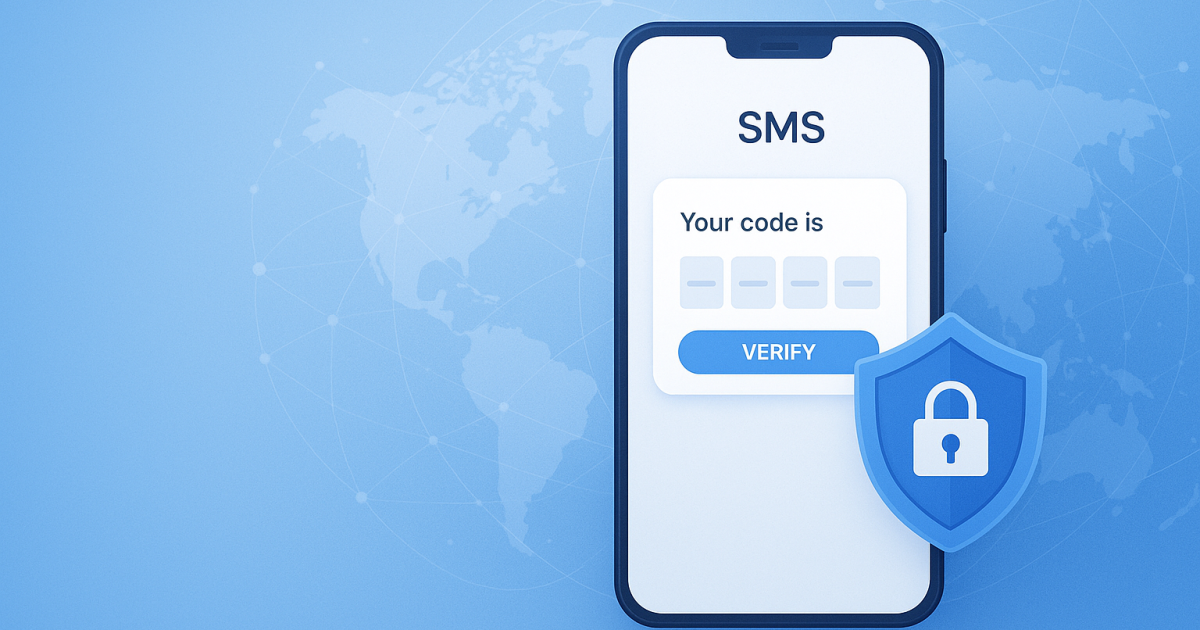
Understanding SMS PVA: An In-Depth Guide for Non-Technical Users
Introduction
SMS PVA, short for SMS Phone Verification Alternative, is an increasing trend for individuals and businesses who need to verify phone numbers quickly and without hassle. It provides authenticity and security for various online accounts, especially when strong verification is required. In this guide, you will gain insights into what SMS PVA means, how it works, practical scenarios for its use, as well as safety, privacy, and legal considerations. Moreover, you will discover alternative options applicable in your unique situations, including the role of technologies like PVACodes.
What SMS PVA Means and How It Works
At its core, SMS PVA refers to the use of text message-based verification codes to authenticate users when they sign up for or log into services. Essentially, it's a system that enhances security by sending a unique one-time password (OTP) via SMS, allowing users to verify their identity quickly.
The primary components of SMS PVA include:
- One-Time Password (OTP): This short numerical code is sent to your mobile number for one-time use during the verification process.
- Short Message Service (SMS): This technology, which most mobile devices support, enables the quick delivery of OTPs for user authentication.
- Verification Request: When you create a new account or perform sensitive activities (like password resets), you might receive a request for verification.
The flow of SMS PVA generally operates as follows: Upon initiating a verification request, you receive an OTP on your mobile device. By entering this code into the sign-in or account creation form, the system validates it, granting you access to your desired service.
Practical Scenarios for SMS PVA
SMS PVA is useful across different settings. Here are some practical scenarios where it can be beneficial:
- Creating an account on social media platforms, where personal security is critical.
- Accessing sensitive applications such as banking or financial Maintenance.
- Logging onto workforce applications that require enhanced security features.
- Recovering accounts after forgetting a password or for enhanced access control.
- Performing sensitive transactions or memberships requiring confirmation via unique codes.
- Registering for subscription services that have privacy guidelines.
- Participating in online services requiring strong verification, such as rental platforms.
- You may also encounter SMS PVA in web-based email protocols.
Step-by-Step Guide to Using SMS PVA
If you want to make use of SMS PVA for account verification, here is a straightforward step-by-step guide:
- Visit the desired platform: Navigate to the website or app where you need an account or access.
- Initiate Account Creation/Login: Click on the option to register a new account or log in.
- Provide Necessary Details: Complete any required fields with accurate information and submit your request.
- Enter Your Phone Number: When prompted for your phone number, enter it correctly, ensuring you follow your country’s dialing code.
- Receive OTP: Look for a text message containing your one-time password. Wait for a moment, as SMS delivery may have slight delays based on carrier conditions.
- Input the OTP: Type the OTP into the appropriate verification field once it arrives.
- Confirm Authentication: Finally, click “confirm” or “submit” to complete the process, gaining access to your account or app securely.
Safety, Privacy & Legal Considerations
When utilizing SMS PVA, it’s essential to consider safety and privacy:
- Data Protection: Be cautious with the phone numbers you provide. Avoid sharing your phone number on platforms that may not respect your privacy.
- Public vs. Private Numbers: Avoid using public phone numbers due to exposure risks. Always prefer virtual or secure numbers for sensitive verifications.
- Legal Compliance: Ensure that the platforms using SMS PVA adhere to relevant legal standards concerning user privacy and protection.
- Avoiding Number Recycling: Be aware that numbers may change hands after a period, which can lead to potential security risks if a recycled number receives OTP texts meant for a previous user.
- Account Safety Protocols: Enforce additional security measures such as two-factor authentication (2FA) where possible, providing an added layer of protection.
Best Alternatives to SMS PVA
While SMS PVA is effective in many scenarios, there are alternatives you may consider based on your needs:
- Authenticator Apps: Applications like Google Authenticator can provide more reliable, secure codes that don’t rely on SMS.
- Email Verification: Many platforms offer the option of email verification for users who prefer not to use their phone numbers.
- Backup Codes: Some services allow the generation of one-time backup codes, which users can store securely to use during account recovery or reset.
- PVACodes: For users who require virtual numbers specifically for apps and services, options like PVACodes can provide additional privacy settings and protection.
Frequently Asked Questions
What is SMS PVA mainly used for?
SMS PVA is primarily used for verifying user identities on various platforms, ensuring secure access to accounts and personal data through a one-time password delivered via SMS.
Can I use SMS PVA for any platform?
While SMS PVA is widely accepted, specific platforms may not support it. Always check if a service lists SMS as a preferred verification method.
Is SMS PVA safe?
SMS PVA is generally considered safe. However, security depends on how cautiously you handle your phone number—share it only with trustworthy services.
What should I do if I don’t receive my OTP?
If an OTP does not arrive, check screenshots on your mobile number setup, ensure reception, or wait a few moments, then request a new code.
How long does an OTP last?
Typically, an OTP expires within a couple of minutes, ensuring users verify their identity promptly without delay or exposure risk.
What do I do with received OTPs?
Enter received OTPs immediately into the provided field on the verifying platform and avoid sharing them with anyone else for security.
Can I use a landline for SMS PVA?
Most SMS PVA systems are designed only for mobile numbers, as they require reception of SMS. See if your service may allow digital systems.
Typically, there are no fees to receive SMS, but data rates apply if you need extra features or use premium temporary numbers from providers.
What happens to a public number after use?
Public numbers may become available for new users and be recycled. It is always best to use a private number to keep your verification secure.
Is SMS verification better than email verification?
SMS verification offers a faster, generally more secure option than email, although both have their strengths depending on user preferences for security.
Conclusion
Understanding SMS PVA can significantly enhance your online security. By providing a safe verification method for accounts and transactions, it becomes an essential tool in managing your digital identity. Remember to practice safe data handling and choose providers and hosts with secure practices and policies. If opting for alternatives, consider methods like authenticator apps or virtual numbers like the options available through services like PVACodes. With these tools, you can navigate the digital landscape safely and confidently.