Understanding SMS Numbers: Everything You Need to Know
Introduction
SMS numbers, or Short Message Service numbers, allow users to send and receive text messages through mobile devices, enabling communication in a quick and straightforward manner. Whether you’re well-acquainted with text messaging or just venturing into its functionalities, having a grasp of SMS numbers holds immense importance. The potential uses for SMS numbers extend across personal and promotional contexts, but it's crucial to know how they work before making the most of them. This article aims to explain SMS numbers, their functionality, practical scenarios, safety considerations, and alternatives, making it suitable for anyone looking to understand more about this communications tool.
What it means / how it works
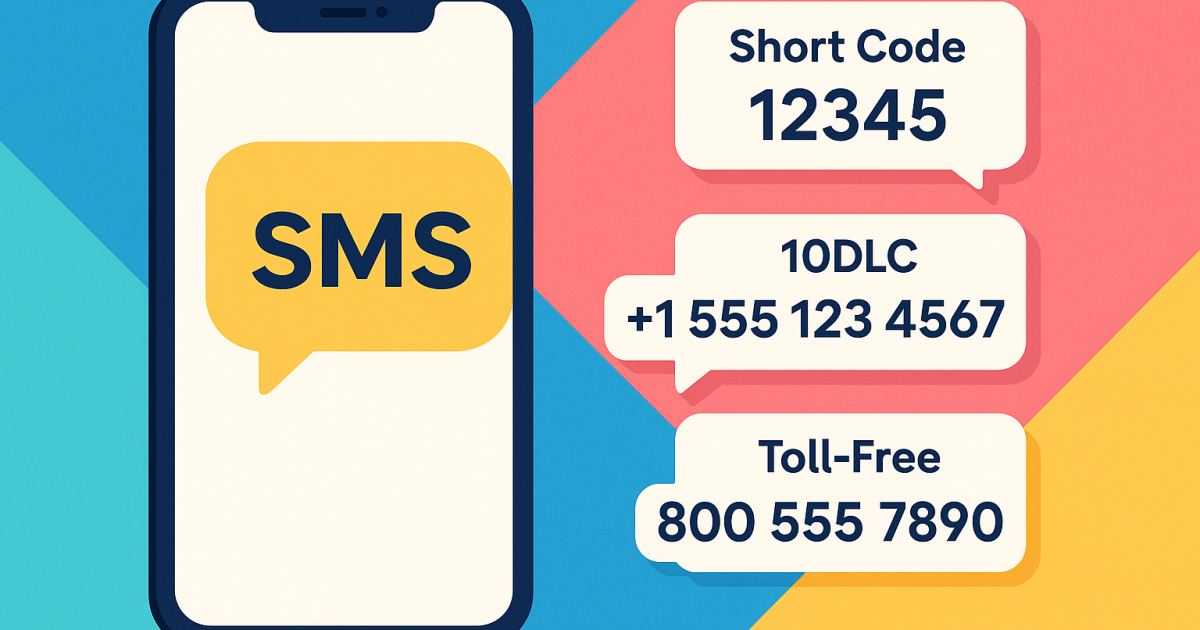
An SMS number is a mobile phone number, usually composed of ten digits, that enables the exchange of text messages via mobile networks. These numbers don’t require calling capabilities and work solely for sending SMS text communications. Here’s how SMS numbers typically function:
- When you want to send a text message, you'll input the SMS number into your device's messaging app, compose your message, and hit send.
- The message is transmitted over mobile networks to the recipient's carrier, which then forwards it to the recipient’s mobile device.
- For two-way communication, recipients can respond using the same SMS number or a predefined short code, allowing ongoing dialogue.
- Messages can contain text, images, or links, depending on the capabilities of the network and the devices in use.
Practical scenarios
SMS numbers find their use in various environments. Here are some practical scenarios where SMS numbers effectively facilitate communication:
- Personal communication: Collaborate with friends and family for instant messaging without calls.
- Account verifications: Many online services send verification codes through SMS numbers during the signup process.
- Promotions and marketing: Businesses use SMS numbers to engage with customers by sending promotional text alerts.
- Event scheduling: Individuals send out SMS numbers for RSVPs and date confirmations seamlessly.
- E-commerce transactions: Order confirmations and delivery updates sent through SMS numbers enhance customer experiences.
- School and organizational updates: Schools and organizations keep parents and members informed of important announcements through SMS notifications.
- Emergency alerts: Authorities can send time-sensitive alerts and information swiftly using SMS systems.
- Feedback collection: Companies use SMS numbers to gather immediate feedback from targeted contacts post-service.
- Reminder Services: Healthcare providers can send appointment reminders to patients via SMS.
Step-by-step
Sending an SMS from your device is easy. Here's a quick step-by-step guide to help you begin:
- Open your messaging app: Launch the default SMS application on your mobile device.
- Start a new message: Look for an option like “New message” or a plus (+) icon.
- Enter the SMS number: Type in the recipient’s mobile number or select a contact from your address book.
- Type your message: Compose your text in the designated area.
- Attach files (if necessary): If you wish to send media, use the attachment button to include images or files.
- Send your message: Tap the send button (often a speech bubble icon) to deliver the SMS.
Using SMS numbers makes text communication instant and efficient. Depending on your location, keep in mind that some costs might go into sending and receiving SMS.
Safety, privacy, and legal
While SMS numbers offer convenience, several safety, privacy, and legal considerations need addressing:
- Data Privacy: Be cautious about sharing your SMS number with untrusted sources. Your number could be harvested for spam.
- Two-Factor Authentication: Use SMS numbers as a critical layer of security in your online accounts. However, be aware that they are sometimes vulnerable to sim-swap attacks.
- Content Restrictions: SMS communication is subject to regional laws; for example, unsolicited promotions or scams can lead to penalties for businesses.
- Age Restrictions: When utilizing SMS for account creation, many platforms require users to be a certain age due to privacy regulations.
- Terms of Service: Moving forward with businesses utilizing SMS numbers—read their terms of service regarding privacy and data use thoroughly.
Best alternatives
While SMS numbers serve a wide range of purposes effectively, alternatives exist for users needing flexibility or additional features:
- Free messaging apps like WhatsApp, Viber, and Telegram require internet access but provide additional functionalities such as video calls, multimedia sharing, and group chats.
- Virtual SMS services offer disposable numbers for tasks like account verifications if you want to keep your main number private.
- Usually, performance around SMS should depend on the bulk-facilitating service optimizations and mail synchronization.
For users seeking dynamic SMS capabilities adapted for both personal and commercial use integration, considering services like PVACodes could provide considerable advantage regarding virtual numbers.
Frequently Asked Questions
Q: What is an SMS number?
A: An SMS number is primarily a mobile number uniquely designed for the purpose of sending and receiving text messages.
Q: Are SMS numbers the same as phone numbers?
A: Yes, SMS numbers are typically standard phone numbers that can accept SMS texts. They might also include virtual numbers specifically designated for SMS services.
Q: Can I use an SMS number for calling?
A: No, SMS numbers exclusively retrieve and send text messages; they do not support voice calls.
Q: How secure are SMS numbers for two-factor authentication?
A: Although SMS-based two-factor authentication provides an extra layer of security, it can be susceptible to attacks such as SIM swaps, hence it's advisable to consider alternative methods for high-security accounts.
Q: Do I get charged for SMS messages?
A: Depending on your mobile plan, you might incur charges for sending and receiving SMS messages. It’s always best to check your carrier’s policy.
Q: Can businesses send bulk SMS messages?
A: Yes, businesses often use bulk SMS services to send promotional messages or alerts to numerous consumers simultaneously.
Q: Will my SMS number change if I switch carriers?
A: Usually, you can keep your SMS number when switching mobile service providers if you request number porting during the change.
Q: Can I receive international SMS on my SMS number?
A: Yes, most carriers support receiving international texts, but there may be charges associated; check with your provider.
Q: What should I do if I stopped receiving messages?
A: Check your network connection, ensure you haven’t blocked the sender, verify number settings, or reach out to your carrier for troubleshooting assistance.
Q: Is it possible to block SMS from specific numbers?
A: Yes, most smartphones and carriers provide options to block SMS messages from specific numbers through settings in your device.
Conclusion
In today’s communication landscape, SMS numbers play a vital role, from personal usage to businesses connecting with clients. Empowering yourself with the knowledge of how SMS direction works and utilizing this channel effectively can enhance overall communication strategy. However, always remain vigilant about safety, privacy, and legal implications as you navigate SMS functionalities. Depending on your unique needs, relaxation through alternatives like online messaging platforms or virtual services is worthwhile to explore, enhancing your messaging flexibility.