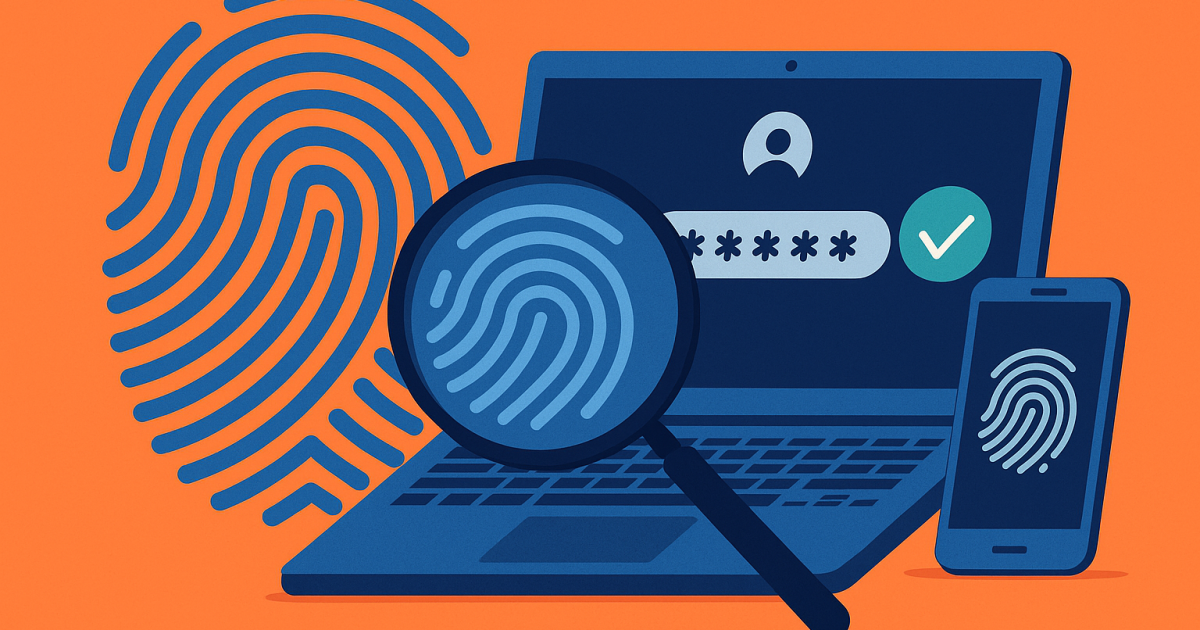
How Device Fingerprinting Works: The Hidden Technology Behind Modern Account Security
Introduction
In today’s digital age, where cyber attacks and identity theft are rampant, ensuring secure online transactions is more important than ever. One the key technologies designed to bolster account security is device fingerprinting. This sophisticated method helps platforms identify and authenticate users in ways that traditional systems sometimes fail. In this article, we will explore what device fingerprinting is, why it is used, how it works, and any potential concerns associated with its application.
What Is Device Fingerprinting?
Device fingerprinting is a technique used to identify individual devices based on unique characteristics. Unlike cookies, which are stored on a user’s browser, device fingerprints are created using computer-generated identifiers drawn from multiple attributes of the device and environment, making them more robust. The unique combination of these identifiers—such as device type, operating system, browser version, and even screen resolution—acts like a digital fingerprint, helping improve security and thwart unauthorized access.
Why Platforms Use Device Fingerprinting
Platforms implement device fingerprinting for several reasons:
- Robust security: It enhances security measures, reducing risks associated with account hacking.
- Fraud detection: By analyzing the behavior of the fingerprinted device, platforms can detect potential fraudulent activities.
- User convenience: Enables ongoing recognition, allowing for a smoother login experience without compromising security.
How Device Fingerprints Are Created
The process of creating device fingerprints involves gathering data on various device characteristics such as:
- Operating System: The specific OS version running on the device.
- Browser Information: The browser type, version, and even installed plugins.
- Screen Resolution and Color Depth: The dimensions and color capabilities of the device’s screen.
- Time Zone: Geographic zones can be associated with the device.
- Canvas Fingerprinting: Using specific graphic rendering methods to create a unique signature from how the device draws images.
- IP Address: Although dynamic, identifying patterns from IP logs helps in recognition.
All this information is collated and processed to create a unique device signature or fingerprint that helps identify the user.
Browser Fingerprinting Explained
Browser fingerprinting specifically focuses on recognizing the web browser being used. This method compiles unique data around:
- Installed fonts and plugins
- HTTP Header information
- WebGL capabilities
By collecting this data while the browser interacts with various websites, systems can blacken individual browsers uniquely. This can effectively track persistent identities even if users alter their settings or delete conventional tracking measures like cookies.
Device Recognition and Account Security
Device recognition enables systems to map authenticated devices to accounts successfully. Essential for bolstering account security, having this identification prevents unauthorized individuals from accessing consumer accounts. Whenever a user logs in, the fingerprint is checked against existing records to establish the legitimacy of the transaction. If the device falls outside established behaviors, it prompts additional authentication steps, ensuring sensitive accounts are protected from fraudsters.
Fraud Prevention and Risk Detection
Participating in fraud mitigation, device fingerprinting automatically flags and alerts suspicious activities based on unusual device interaction. Some key examples of these risk indicators include:
- A sudden check from a different geographical location.
- Access from an unrecognized device.
- Rapid changes in login patterns (e.g., multiple attempts in a short span).
This proactive approach reduces fraud rates, provides companies a clear defense against organized crime, and protects user data from compromise.
Device Fingerprinting vs Cookies
Device fingerprinting is often compared to cookies, but these two technologies differ significantly. Here’s a comparative view:
- Persistence: Cookies can be cleared by users, while device fingerprints persist through browser settings bans.
- Information Capture: Fingerprinting collects broader and deeper data characteristics than cookies.
- Efficiency: Fingerprinting doesn't rely on user-action consent like cookies do, making it a more direct solution for user identification.
Although both forms serve user identification, device fingerprinting often provides better corroboration and security against malicious fraudulent attempts.
Privacy Concerns and User Awareness
The implementation of device fingerprinting comes with ethical considerations, primarily revolving around user privacy rights. Since detailed profiling can potentially create extensive user identity models:
- Users may unknowingly contribute to virus detection.
- Created profiles can be utilized for comprehensive tracking across multiple sites.
- Concerns exist around regulatory fit and transparency from companies employing these techniques.
Users are increasingly becoming aware of these technologies, impacting how companies choose to avoid potential resentment and how they obtain informed consent from users.
The Future of Device Identification
The landscape of device fingerprinting is ever-changing as technology evolves. Today we face stringent security pressures and delight the speed of digital innovation. Important aspects include:
- Flush user preferences with privacy regulations like GDPR.
- Leveraging AI to differentiate between real users and bots more cleverly.
- Develop Maintain Balance: Integrating strong identity verification without compromising user trust.
With continuous advancements, the approach toward device identification maintains a steady resolute on counterfeit protection and user inclusivity, nurturing a secure user experience.
Frequently Asked Questions
What is device fingerprinting?
Device fingerprinting is a method used for identifying a unique device by analyzing its specific characteristics such as operating system, screen resolution, browser type, and other identifiers.
How do websites identify devices?
Websites use device fingerprinting technologies to gather information about the device when a user connects, creating a unique profile based on its attributes.
Why is device fingerprinting used?
It is widely leveraged by online platforms to enhance security, reduce fraudulent activities, authenticate user identities, and offer a seamless user experience.
Is device fingerprinting legal?
Device fingerprinting is legal but must comply with privacy regulations, including informing users about data collection practices.
How does it improve security?
By uniquely identifying devices and recognizing abnormal behavior, it enhances security protocols and aids in fraud detection.
What privacy concerns exist?
Privacy concerns center around the collection of extensive user data, its usage, transparency practices, and the potential for persistent tracking without explicit user consent.
Conclusion
Device fingerprinting is an intricate system storing valuable information while protecting individuals' accounts. With rising digital transactions becoming prevalent, enhancing security through innovative technologies is paramount. Although risks and ethical implications accompany it, transparency, consent, and awareness mitigate many privacy issues. Utilizing services such as PVACodes SMS solution provides robust user verification methods alongside device fingerprinting processes. These combined cheekily bolster security measures significantly of our digital lives, helping organizations maintain integrity while inviting user trust.
```